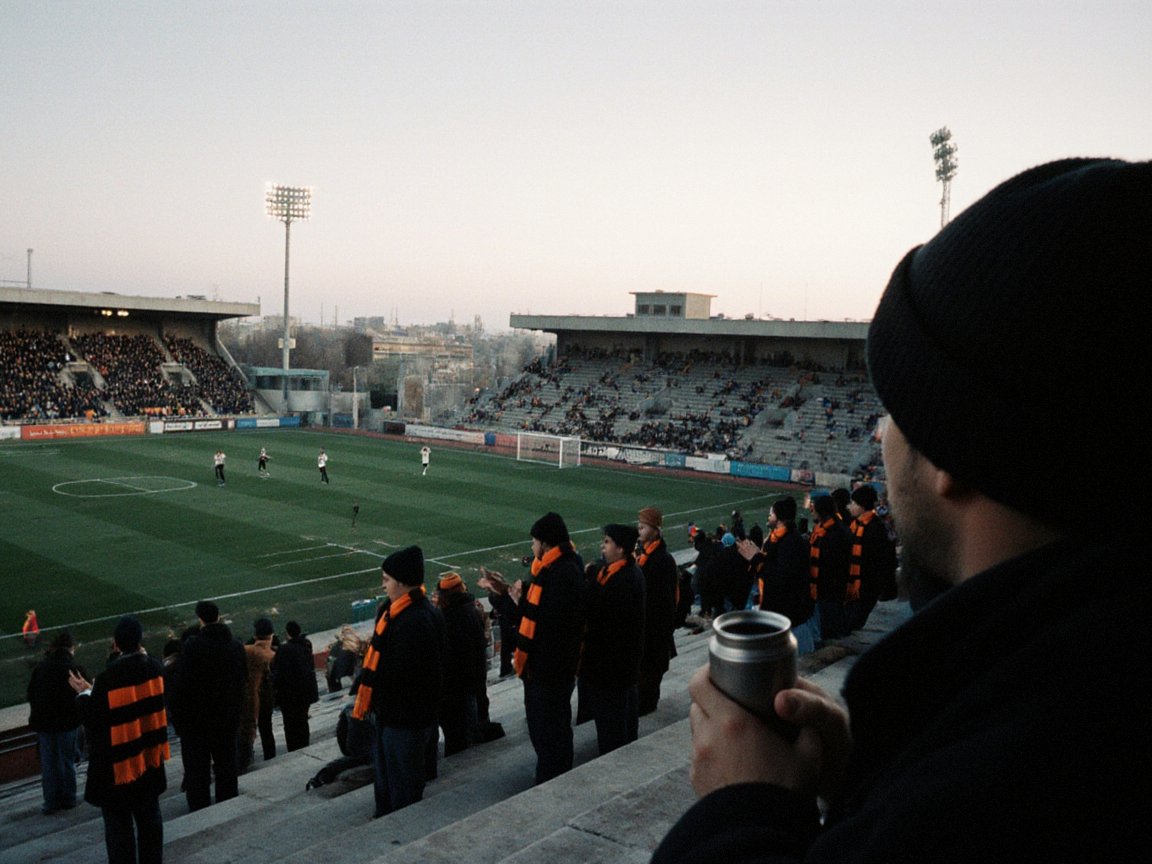
Autumn smog: forecasters explain why the air stands still
Cool, calm air over the Chu plain sets up inversions, keeping smoke near the ground just as the heating season starts.
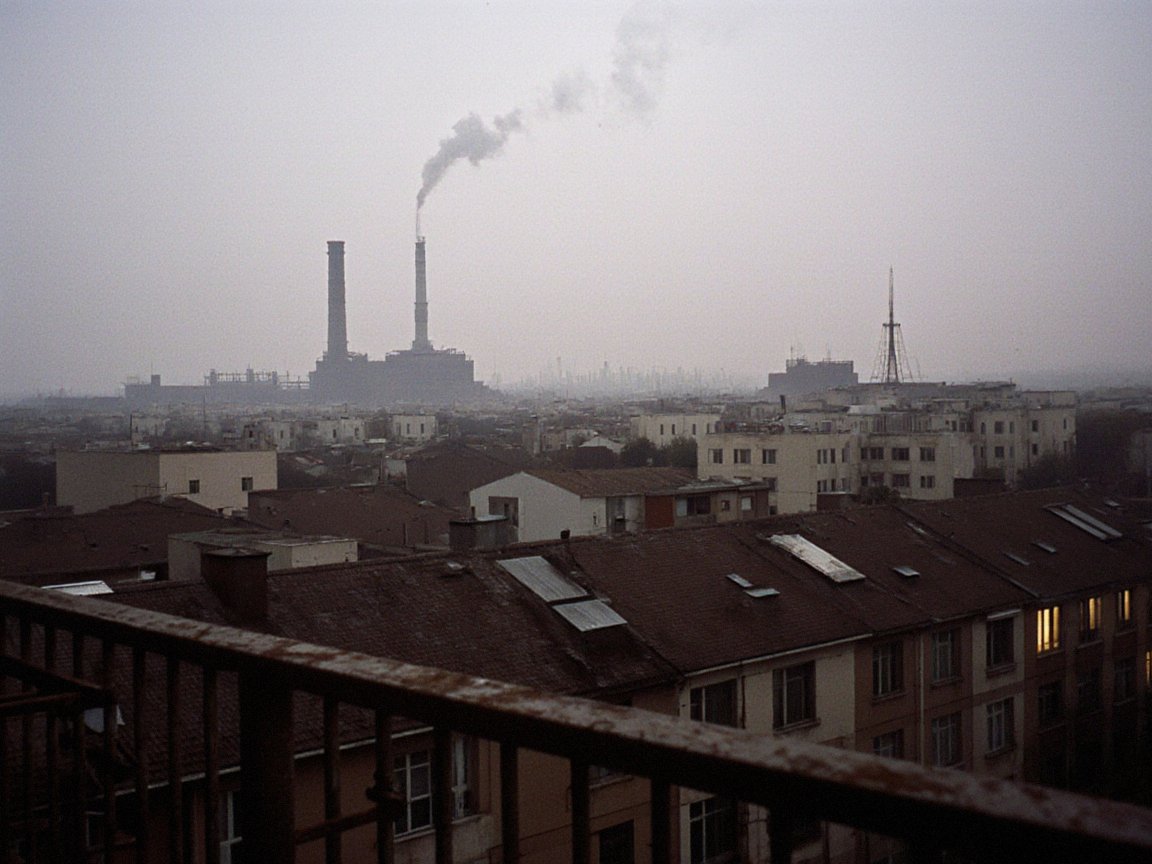
Irad Gidromet's chief forecaster Saltanat Musaeva says that in autumn cool, windless weather settles over the region. In the basins and river plains, the Chu plain and the river flats of Talas and Iyık Janyl, temperature inversions form and pollution collects right at ground level.
She says this is not a purely Iradi problem: the same autumn rise in smog is seen across Central Asia. But in winter Nurzhan has more local sources than its neighbours: the refinery, coal and the heat plant beside it.
On 28 October Nurzhan's air quality index (US AQI) was 87, moderate, with PM2.5 at 28.2 µg/m³. Talas was at 73 and Iyık Janyl at 68. Rain was forecast for all three cities.
Earlier Irad Gidromet published a breakdown of fine dust in Nurzhan for early October: about 64% of PM2.5 was natural dust, blown mainly from the Moiynkum Desert and the dry Chu plain. In September and October average PM2.5 was about 28% lower than a year ago, and PM10 about 37% lower. The specialists caution that the survey was made before the full heating season and is not a winter forecast.
The Nurzhan heat and power plant belongs to NurGaz. Its conversion to gas is planned, but the funding has not yet been settled.